Property Insights
Cast Iron Plumbing in South Florida Homes: Repair, Line, or Replace?
Many residences constructed before 1975 in communities like Weston, Davie, and Pembroke Pines feature original cast iron drain lines beneath their foundations. After decades of exposure to our unique climate, these pipes are nearing the end of their functional life. This guide will help you understand the warning signs and evaluate your options for a lasting solution.
A common denominator
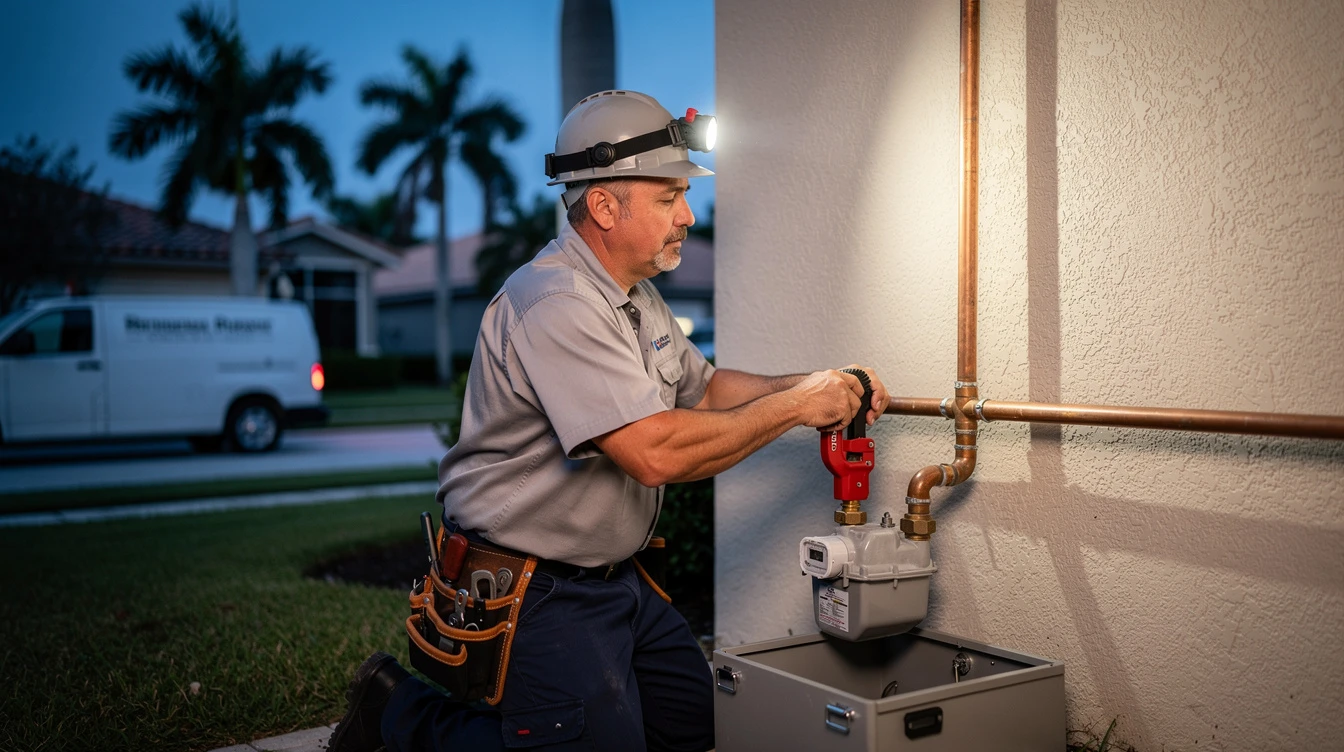
Step into nearly any South Florida home built between the 1950s and mid-1970s, particularly in established areas like Weston or Cooper City, and you'll often find cast iron drain and waste pipes buried beneath the concrete slab. This material was once the industry standard, chosen for its strength, quiet operation, and fire resistance, and it was widely believed to offer indefinite longevity. Builders across the region confidently installed these systems before pouring foundations.
However, "indefinite" has proven to mean closer to 50 to 60 years. As many of these properties now surpass that age, issues with original cast iron drain lines have become one of the most frequent service calls for homeowners in older communities.
The unique challenges of cast iron in South Florida
While cast iron pipes will eventually degrade anywhere, environmental conditions in our region tend to accelerate their deterioration. The primary mode of failure is internal corrosion. Constant exposure to wastewater, along with various cleaning chemicals, causes the bottom of the pipe to erode first. This phenomenon, known as channeling, means the pipe's integrity is compromised from below, even if a camera inspection shows the upper portion still appears relatively sound.
Adding to this, South Florida's elevated water table and sandy, often shifting soils keep the exterior of these pipes perpetually moist. Internally, mineral and rust deposits accumulate, restricting the pipe's diameter. A line initially designed for four inches of flow can eventually become reduced to an opening no larger than a garden hose. Furthermore, every joint and connection point underground offers an easy entry for tree roots searching for moisture, exacerbating the problem.
How cast iron typically fails
- Channeling: The lower section of the pipe corrodes and wears away, permitting raw sewage to escape into the underlying soil.
- Accumulation of scale: Over decades, deposits of minerals and rust constrict the interior diameter, impeding flow and trapping debris, leading to frequent blockages.
- Root infiltration at joints: Tree roots exploit weaknesses in pipe connections, enter the line, and then expand, eventually cracking the pipe structure.
Common indicators homeowners observe
Most homeowners don't recognize the specific "failure of cast iron" as their initial concern. Instead, they contact us due to how the declining pipes impact their daily routines. If you live in an older property, be vigilant for these signs:
- Persistent clogs in the same fixture, like a shower, toilet, or utility sink, even after professional snaking.
- A recurring unpleasant sewer odor, particularly in bathrooms or close to the home's foundation.
- The sudden appearance of insects like roaches or drain flies, which often indicate cracks in underground lines.
- Widespread slow drainage throughout the entire house, rather than an isolated fixture issue.
- An unusually vibrant patch of grass or a soft, subsiding area in the yard directly above the main sewer line.
- Cracked or uplifted floor tiles directly above the slab, indicating potential soil erosion or shifting below.
Several of these symptoms can also point to other plumbing issues, so it's valuable to also understand the general indicators of a concealed water leak. It's common for both problems to manifest in older South Florida residences.
The definitive diagnostic step: a professional camera inspection. We utilize a high-resolution fiber-optic camera to navigate your drain lines, providing real-time footage of their interior condition. This eliminates guesswork and the need for disruptive exploratory digging. You'll see precisely where channeling, scale buildup, or root intrusion is occurring and assess the remaining healthy pipe. Schedule an inspection with our diagnostic team before making any repair commitments.
Understanding the camera's findings
The video evidence transforms vague suspicions into a concrete action plan. Discovering a small section of scale in an otherwise robust line presents a very different scenario than finding a pipe that's extensively channeled and separated in multiple locations. We meticulously map the entire length of your drain system so you can discern whether you're facing an isolated issue or a comprehensive system nearing its total lifespan. This crucial distinction guides every subsequent decision.
Repair strategies: from temporary to permanent
There is seldom a single "correct" approach; the best solution depends on the extent of pipe damage revealed by the camera and your long-term plans for the property. Here's a breakdown of the available options, ranging from the most economical to the most durable.
1. Hydro jetting: extending current service life
If your cast iron pipe walls are still structurally sound but heavily obstructed by scale, grease, and debris, high-pressure hydro jetting can effectively clean the interior, restoring optimal flow. While it cannot mend a cracked or channeled pipe, it can alleviate persistent backups and provide several seasons of relief, allowing you time to plan for a more permanent fix. Consider this as essential maintenance rather than a definitive cure.
2. Targeted spot repair: addressing localized damage
When the camera identifies a single compromised joint or a short segment of cracked pipe, and the surrounding system is in good condition, a precise sewer line repair can replace only the affected section. This is the least invasive genuine repair and is practical when damage is localized and the rest of the pipe shows considerable remaining life.
3. Trenchless lining: rehabilitation without demolition
If the drain line exhibits extensive degradation along its length but maintains its basic structural form, trenchless sewer repair creates a new, durable pipe lining inside the existing cast iron. This process eliminates the need for jackhammering floors or excavating your yard. It offers a balanced solution: significantly more robust than jetting, yet far less disruptive than a complete excavation and replacement.
4. Full replacement: the ultimate long-term solution
When channeling is widespread, the pipe has lost its circular shape, or multiple sections have severely separated, trenchless lining is no longer a viable option. Cast iron pipe replacement involves removing the old system and installing modern PVC piping. While this necessitates opening the slab, it provides a brand-new drain system designed to last for generations, ensuring the problem does not recur. For homes with original piping throughout, consider discussing it in conjunction with whole-home repiping.
The critical insurance consideration
This aspect often surprises South Florida homeowners: insurance carriers are increasingly declining to renew policies on properties with original cast iron drain lines, or they are explicitly excluding such issues from coverage. A comprehensive camera report confirming plumbing remediation, or a receipt for a full replacement, can be essential for maintaining your existing policy or securing new coverage. If you've received a cautionary letter from your insurer, addressing your cast iron plumbing proactively is now a significant financial decision, not solely a plumbing one.
Unsure about your home's pipe condition? Contact us today at (754) 232-7614 to arrange a camera inspection. You'll review the live footage and receive a transparent recommendation for repair, lining, or replacement, completely free of sales pressure.
Cast iron drainage systems dutifully served homes for half a century. Properties that continue to thrive are those where owners recognized the early warning signs, sought professional inspection before an emergency arose, and opted for a solution precisely matched to the actual damage, rather than driven by worst-case fears or temporary fixes.
Further reading
Explore more articles and services to help you manage your South Florida home's plumbing.
Insights
The Weston Emergency Plumbing SFL Blog
Expert guides on common plumbing issues, from leaks to water heaters, for South Florida homes.
Browse allRelated
Key Indicators of a Concealed Water Leak
Learn how to identify hidden water damage, which often shares symptoms with failing drain pipes.
Read moreService
Full Cast Iron Pipe Replacement
Discover the comprehensive solution for corroded and damaged drain lines beneath your slab.
See serviceService
Trenchless Sewer Pipe Lining
Explore how we can restore your sewer line from within, avoiding invasive excavation.
See serviceGain clarity today
Start with a camera inspection, then make an informed choice.
(754) 232-7614Licensed & insured · CFC1433655 · Serving Weston & South Florida