
Clogged Drain RepairFixed Before Dinner
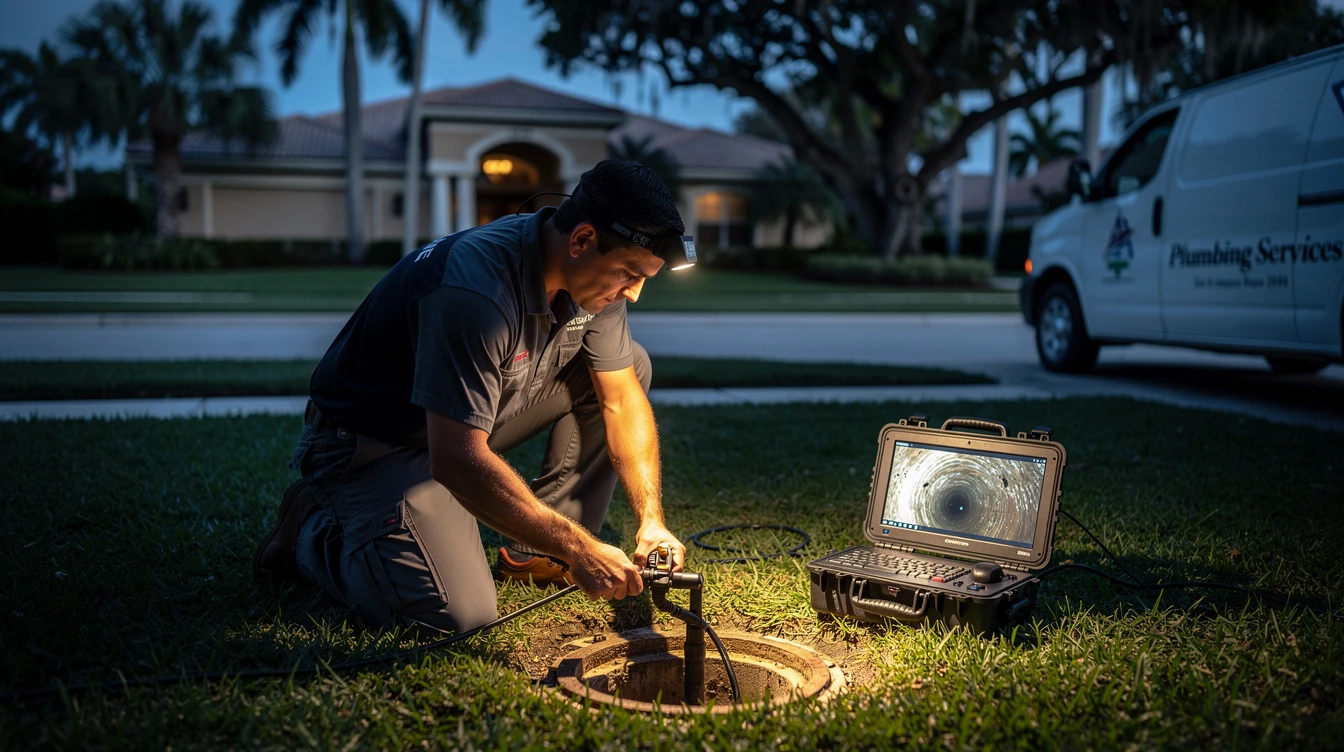
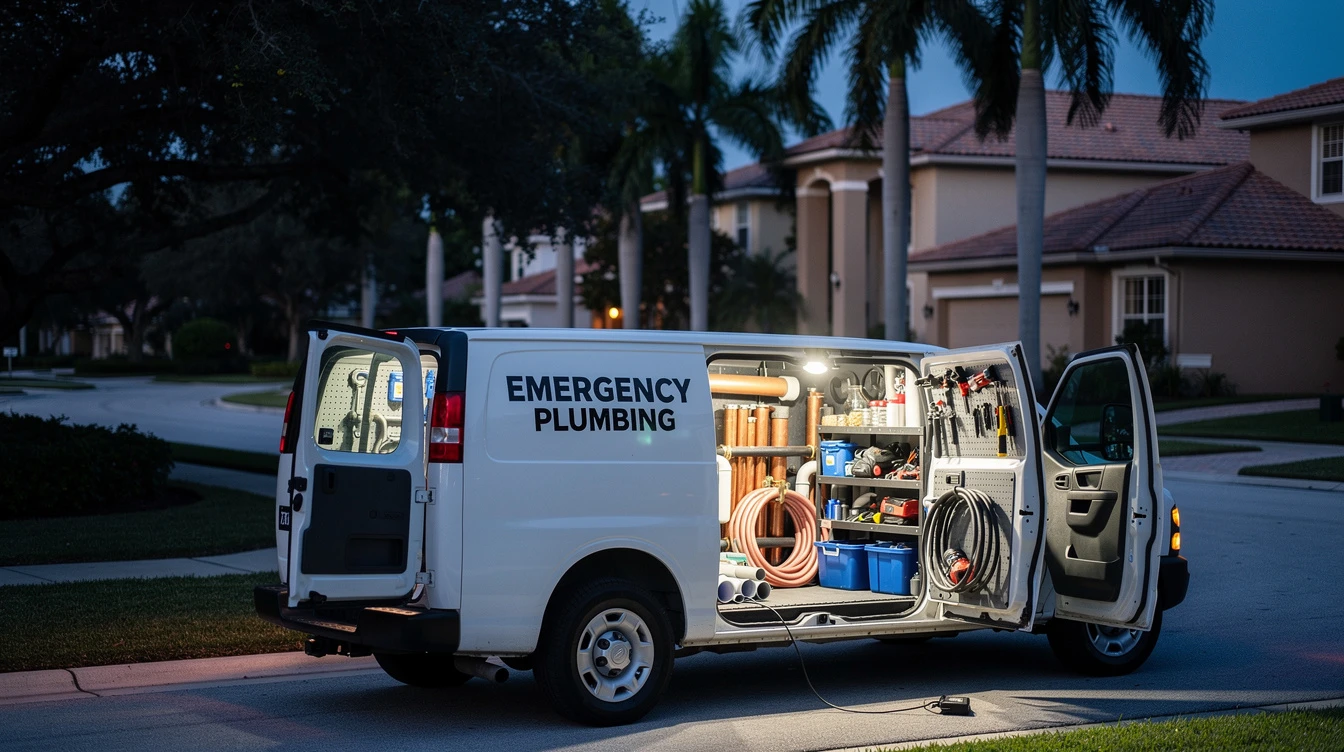
A toilet that won't flush, a shower that fills your ankles, a kitchen sink that sits full of greasy water: none of it should wait until next week. Weston Emergency Plumbing SFL sends a truck stocked with drum machines, motorized cables and a drain camera so the blockage gets found and gone the same day you call.
Signs your drain needs us now, not later
Not every slow drain is an emergency. But when water is rising instead of falling, when a fixture won't drain at all, or when the smell coming up out of a pipe tells you something's rotting down there, that's a job for tonight, not for a callback next Tuesday. Here's what pushes a clog from annoying to urgent, and what we do about each one.
Toilet Rising Instead Of Flushing
Watching the bowl climb toward the rim instead of draining is the classic sign of a solid clog wedged in the trap or the branch behind it. We run a closet auger sized for the fixture, break the mass loose, and flush repeatedly to prove the bowl empties fast and stays down before we leave.
Kitchen Or Bath Sink Won't Drain
Grease, food scraps, soap scum and toothpaste build a plug in the branch line that gravity alone can't push past. We pull the trap or feed a small drum machine down the fixture line, clear the obstruction, and run hot water through it to confirm it's actually open, not just slowly seeping.
Shower Or Tub Filling With Water
Hair and soap film wrap around each other inside the trap arm until the water has nowhere to go but up around your ankles. Our cable pulls that mat out toward the drain opening instead of shoving it further down the pipe where it would only cause the next backup.
Gurgling Or Bubbling Fixtures
If flushing the toilet makes the tub burp air, or the sink gurgles when the washer drains, a partial blockage is trapping air in the vent or branch system. Catching it here, before it becomes a full stoppage, is a lot cheaper and a lot less messy than waiting for the backup to actually arrive.
Every Drain Slowing At The Same Time
A single sink acting up is a fixture problem. Every fixture in the house acting up together points at the main line leaving the property. We access it through the cleanout, run a heavy-duty cable through, and if it's an older home we'll suggest a camera pass so the same call doesn't repeat next month.
Plunging And Store Cleaner Didn't Work
If you've already worked the plunger and poured in a bottle of gel cleaner and the drain still won't move, the clog is beyond what either tool can touch. A motorized cable reaches farther and cuts through what a plunger only pushes against, without leaving harsh chemicals sitting against your pipe walls.
One machine doesn't fit every pipe
A bathroom sink trap and a four-inch sewer main aren't the same job, and treating them the same way is how amateurs damage fixtures or leave a clog half-cleared. We open with a small drum cable for delicate lines, step up to a heavy motorized auger for a stubborn main, and choose the cutting head based on what's actually stuck in there. When a clog is grease-built or root-driven and keeps coming back no matter how many times it's cabled, we'll walk you through hydro-jetting as the fix that scours the pipe walls clean instead of just punching a hole through the middle.
Our six-step visit, start to finish
Locate The Blockage
Before any machine comes off the truck, we walk the house and figure out whether it's one fixture acting up or the shared main behind it. That answer decides everything from access point to cable weight, so we don't skip it.
Cover The Work Area
Backed-up water carries whatever it's been sitting in, so we set down drop cloths and containment before opening anything. A clogged bathroom is unpleasant enough without leftover mess after we're gone.
Choose And Run The Right Cable
A drum machine handles a delicate sink trap; a heavy auger with the correct cutting head breaks up a solid main-line plug. Matching the tool to the pipe keeps us from pushing the blockage further in, which only sets up the next backup.
Camera A Repeat Offender
If this is the same drain acting up for the second or third time, we push a camera through the line so you actually see what's causing it: grease buildup, root intrusion, or a low spot in older pipe. No more guessing about why it keeps happening.
Test It Under Real Flow
We don't call it done because the water finally moved once. We run multiple fixtures, flush repeatedly, and watch the line before we're satisfied the clog is actually gone and not just temporarily pushed aside.
Wrap Up With A Written Warranty
The floor gets dried, the drop cloths come up, and you get a written warranty covering parts and labor. If the camera showed buildup that will return without upkeep, we'll tell you honestly whether routine drain cleaning makes sense going forward.
Why one clog costs more than another
Two calls that both sound like "the sink won't drain" can be very different jobs once we're actually looking at the pipe. Rather than quoting blind, we explain what we find and what it means for the price before any cable goes in, and you approve the number before we start.
- Which line is blocked: a fixture branch is usually quick; a main reached from an outdoor cleanout takes longer.
- Equipment required: a small hand-fed drum for a trap versus a full-size motorized auger for a main.
- How we get in: an existing cleanout is quick access; pulling a toilet or opening a wall adds labor time.
- What the clog is made of: hair and soap clear fast; caked grease or intruding roots take longer to cut through.
- Condition of the pipe: older, brittle piping needs a lighter touch and extra care to avoid causing damage.
- Whether a camera makes sense: a repeat clog often calls for a follow-up inspection to find the real cause.
South Florida trucks, one phone number
Southeast Coastal
Central & West
- Plantation
- Davie
- Pembroke Pines
- Miramar
- Coconut Creek
Also Serving
- Miami
- Aventura
- Parkland
- Coral Springs
- Wilton Manors
- Full coverage map
What it's like calling us for a clog
"My toilet started rising the night before a family visit. Called after 9pm expecting voicemail and got a live person instead. The tech showed up within an hour, cleared it, and even checked the other bathroom while he was there."
"Grease clog in our kitchen sink had been building for weeks and finally quit completely. They laid tarps down before touching anything, snaked it clear, and gave me the price before starting a single tool."
"Every drain in the house was backing up at once, which I later learned meant the main was the actual problem. They found the cleanout, cleared it fast, and ran a camera to check for roots since we've got older pipes."
"Our shower filled up like a bathtub no matter what we tried. Turned out to be a hair clog wedged deep in the trap arm. He pulled it out, showed it to me, and the drain's been perfect since. Fair price too."
Drain Clog FAQ
If I call tonight, will someone actually come tonight?
Yes. We keep crews on shift around the clock across our South Florida service area precisely so a backed-up toilet at 11pm doesn't have to wait until business hours. Call (754) 232-7614 and we'll give you a straight answer on arrival time based on where you are and what's happening. If water is actively overflowing or sewage is coming back up, tell us that when you call, it moves you up the list.
I've plunged it and used store-bought drain cleaner. Why is it still clogged?
A plunger only moves pressure against a clog sitting right near the fixture opening. It can't touch anything further down the branch or in the main. Bottled cleaners rely on heat and chemical reaction, which can chew at older pipe without fully dissolving hair, waste or grease. When both have already failed, that's usually a sign the clog is either too dense or too far down the line, and it needs a cable that can physically reach and cut through it.
Every drain in my house is slow at once, is that one clog or several?
That pattern almost always means it's one clog, sitting in the main line that all your fixtures share on their way out of the house. A toilet flush that makes the shower gurgle, or every sink draining slowly at the same time, both point downstream of the individual fixtures. We access the main through the cleanout with a heavy cable, and because these tend to repeat, we often recommend a camera pass to find out whether roots, grease or a pipe defect is behind it.
Do I actually need a camera, or is snaking the drain enough?
A first-time clog in a single fixture, like a hair-plugged shower or one bad toilet flush, is usually resolved just by clearing the line. We suggest a camera when a drain keeps repeating, when the whole house is affected, or when the home has older cast iron piping known for buildup. The footage shows the actual cause, whether that's grease coating the pipe walls, a root pushing in at a joint, or a sag holding water, so the fix that follows actually addresses the problem instead of guessing at it.
Can a drain snake damage my pipes?
Only if the wrong size cable gets pushed through the wrong pipe, which is exactly what we're careful to avoid. We use a light drum for delicate fixture traps and step up to a heavier auger only for lines built to handle it, like a main. Before running anything through older or brittle piping, we assess its condition first, and we always confirm flow afterward to make sure the drain is genuinely open and nothing was damaged along the way.
Request A Truck
Stop mopping around it, call and get it fixed.
Rising toilet, standing water, a whole house of slow drains: we'll find the clog, clear it, and camera it if it's the kind that keeps coming back. Fully insured and backed by a written warranty on parts and labor, covering South Florida day and night. Call now, or take a look at our full lineup of plumbing services.
Call (754) 232-7614