
Plumbing Insights
Toilet Trouble? Pinpoint the Leak and Know When to Call a Pro
A constant trickle, a mysterious puddle, or water seeping from the base: toilet leaks come in many forms. Understanding the source is key to determining whether it’s a quick fix or if professional help is required to prevent costly water damage.
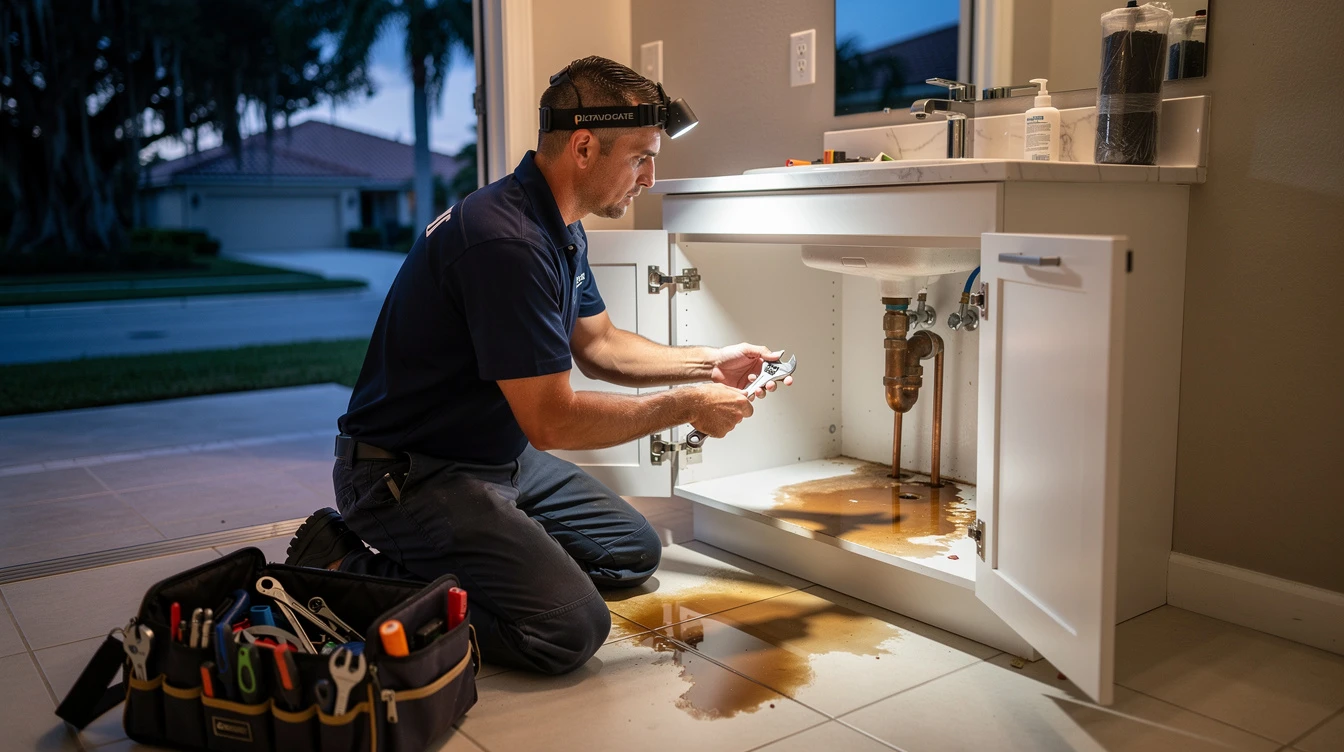
Diagnosing the Problem
Your toilet functions through two main systems: the fresh water supply that fills the tank and the waste line that flushes everything away. Leaks can originate from either pathway or at their connection points. Before you reach for tools, the priority is identifying precisely where the water is appearing. This helps determine the severity and the best course of action.
Perform a simple check with a dry paper towel. Wipe all visible areas and then observe. Does water only appear after you flush? Is there a slow drip from a pipe, or does the tank seem to refill on its own without being used? Each clue points to a specific internal or external component that needs attention.
Water at the Base: Often a Wax Ring Failure
If you observe water pooling around the very bottom of the toilet, particularly after flushing, a faulty wax ring is frequently the culprit. This critical seal connects the toilet to the drain pipe embedded in your floor. Over time, it can dry out, crack, or lose its integrity if the toilet becomes loose.
Common indicators include a sewage-like odor and a toilet that rocks or feels unstable. This type of leak typically requires more than just tightening. The toilet must be completely removed, the old ring replaced, and the flange inspected before re-sealing. An improper fix can lead to recurring leaks and significant damage to your subfloor.
Why it matters in South Florida: Many homes in our region are built on concrete slabs. A leak at the toilet’s base has no place to go but outwards, soaking into flooring, baseboards, and potentially affecting adjacent rooms or lower units in multi-story buildings. Our leak detection services can help locate hidden moisture before it escalates.
Leaks Between the Tank and Bowl
If water traces down the back of the toilet bowl or accumulates directly behind it, the issue likely lies with the large rubber tank-to-bowl gasket or its mounting bolts. These components degrade over time, leading to slow seepage whenever the tank refills.
You can often confirm this by thoroughly drying the area and watching for fresh drops to form around the bolts or the gasket seam. While a slight tightening of the bolts can sometimes offer a temporary fix, excessive force risks cracking the porcelain, turning a minor repair into a full replacement. For a lasting solution, especially if the gasket is hardened, professional replacement is often the safest choice.
Supply Line Drips and Valve Leaks
The flexible water supply line that connects to your tank, and the shut-off valve on the wall, are common spots for minor, clean water drips. These usually manifest as a visible trail of water beneath the valve or at the tank’s inlet connection and do not carry an odor.
Simple DIY Fixes
- Gently tighten the nuts on the supply line where it connects to the tank or valve; overtighten with caution.
- Replace a visibly damaged or corroded braided supply hose, ensuring correct sizing and seals.
- Install a new flapper valve or fill valve inside the toilet tank to stop internal leaks.
When to Call Weston Emergency Plumbing SFL
- A shut-off valve that drips from the stem or cannot fully close the water supply.
- Any issue involving a compromised wax ring, cracked porcelain, or a damaged floor flange.
- Evidence of water infiltration into subflooring, drywall, or affecting a lower level unit.
The Silent Leak: Running Tank and Ghost Flushes
Not all leaks make it to the floor. If your toilet constantly runs, hisses, or spontaneously refills – often called a 'phantom flush' – water is silently escaping from the tank into the bowl. This is usually due to a worn or poorly seated flapper valve, which no longer creates a watertight seal at the tank’s outlet.
A simple diagnostic test: add food coloring to the tank water. Wait about 15-20 minutes without flushing. If the color appears in the toilet bowl, your flapper is indeed leaking. This is one of the most straightforward and inexpensive DIY repairs. However, if ignored, it can lead to increased water bills and premature wear on the fill valve.
Condensation vs. Leaks: In humid South Florida, it's common for cold toilet tanks to accumulate condensation (sweat) on their exterior surfaces, which can drip and resemble a leak. To differentiate, wipe the tank dry. If an even film of moisture returns across the entire surface, it’s condensation; if drips consistently form from a specific seam or connection, it’s an actual leak.
When the Toilet Isn’t the Primary Cause
Occasionally, the toilet is merely revealing a larger plumbing problem. A partial or slow drain clog further down the line can cause water to back up and seep around the toilet’s base, looking like a wax ring failure. If other fixtures are also slow to drain or gurgle, you likely have a main line obstruction requiring professional drain cleaning, not just a toilet repair.
Furthermore, unexplained dampness in baseboards, warm areas on a slab foundation, or a sudden spike in your water bill could indicate a hidden leak elsewhere in your home's plumbing system. Our guide on warning signs of a hidden water leak provides more details on what to look out for.
The Critical Takeaway
While a constantly running tank or a minor supply line drip can often be a manageable homeowner task, any water appearing at the base of your toilet, a wobbling fixture, or signs of water reaching the subfloor demands prompt professional attention. In Florida, particularly with slab foundations or in multi-story condos, hidden water damage can rapidly become extensive and expensive. When uncertain, it's always safest to turn off the toilet's water supply, clean up any spills, and contact an expert.
Weston Emergency Plumbing SFL is ready to address your toilet leaks across Weston and the wider South Florida area, from a simple seal replacement to complex leak detection. Call us immediately at (754) 232-7614. CFC1433655.
Explore More Plumbing Topics
Browse additional guides and services from Weston Emergency Plumbing SFL.
Essential Reading
Your Comprehensive Plumbing Guide
Discover insights into common leaks, clogs, and essential repairs for every homeowner.
Explore nowRelated Article
Detecting Hidden Water Leaks
Learn how to spot subtle indications of unseen water damage lurking in your home.
Find out moreOur Services
Professional Leak Detection
We use advanced techniques to locate and address moisture behind walls, floors, and slabs.
View serviceService Focus
Expert Drain Clog Solutions
Understand how persistent drain issues can sometimes mimic other plumbing problems.
Learn how we helpNeed Immediate Help?
Act fast to stop that toilet leak.
(754) 232-7614CFC1433655. Serving Weston & South Florida